Nanotechnology in the armed forces: stronger, lighter materials and the ethical debate it opens
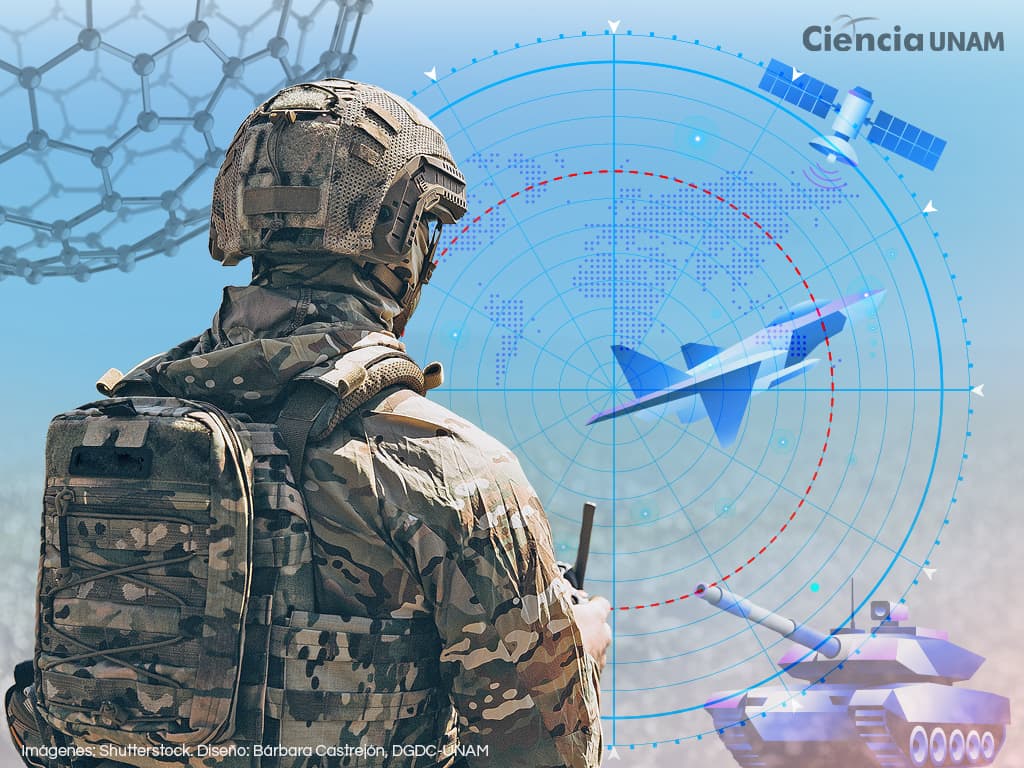
Nanotechnology, which manipulates matter at the atomic and molecular scale (between 1 and 100 nanometers), is being integrated into defense equipment: helmets with carbon nanocomposites or ceramic nanoparticles, graphene-reinforced vests, semiconductors for night vision and radars, and steels with niobium or vanadium to resist corrosion at sea. The goal is more protection with less weight and greater energy efficiency. The text warns about its "dual use" and the need for legal reviews of new weapons.
In 40 seconds
- Nanotechnology works at a scale of 1 to 100 nanometers and enables materials with mechanical, thermal and electrical properties different from conventional ones.
- In defense it is used in helmets with carbon or ceramic nanocomposites, graphene vests, night vision and semiconductors such as gallium nitride and gallium arsenide.
- In aircraft and ships it seeks to reduce weight and fuel consumption and increase corrosion resistance.
Read the full story at Ciencia UNAM
IASummary generated by artificial intelligence from a story by Ciencia UNAM. It may contain errors: the original source prevails.




Comments
Be respectful. Comments reported by several people are hidden until a moderator reviews them.
You do not need an account to read, only to comment. Sign in with a code sent to your email or with your Google account. We only show the name you choose, never your email.