Microsoft confirms Outlook security flaw exploited by cybercriminals, unlinked to global outage

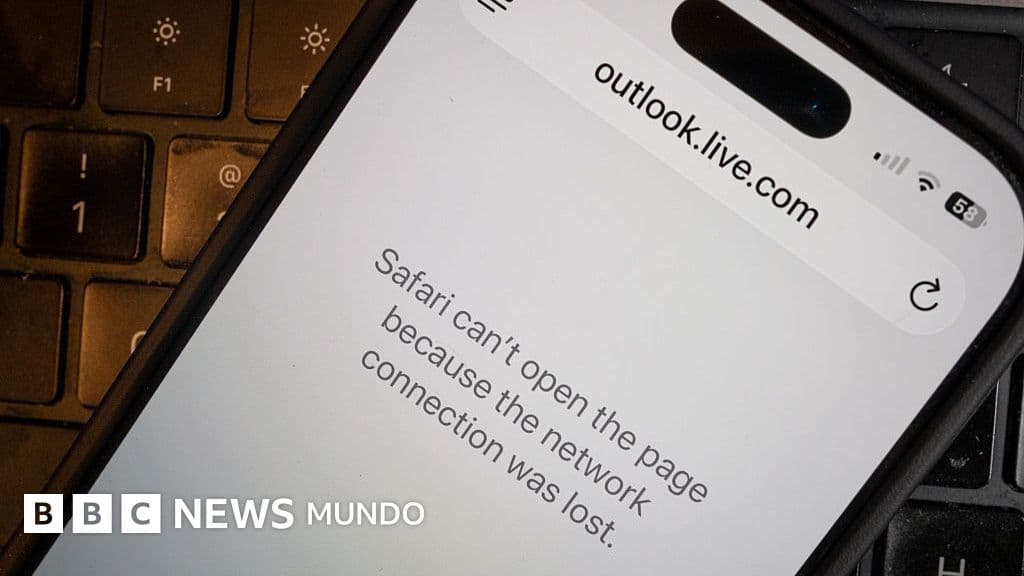
Microsoft confirmed a spoofing vulnerability in Outlook, identified as CVE-2026-124194, that was being actively exploited by cybercriminals. An unauthenticated attacker can send a specially crafted file that, once opened, lets Outlook connect to an attacker-controlled network location and expose the user's NTLMv2 hash. The company released a security update on November 10. The flaw coincided with an outage of more than 12 hours affecting Microsoft 365 services, which the company attributed to process overload on some servers and did not link to the attack.
In 40 seconds
- Flaw CVE-2026-124194 is an Outlook spoofing issue that Microsoft acknowledged on November 10 and that was already being exploited in attacks.
- The attack requires the victim to open a crafted file; the Preview Pane is not an exploitation path.
- It could expose the user's NTLMv2 hash, a Windows authentication credential used to attempt identity impersonation.
Read the full story at BioBioChile
IASummary generated by artificial intelligence from a story by BioBioChile. It may contain errors: the original source prevails.



Comments
Be respectful. Comments reported by several people are hidden until a moderator reviews them.
You do not need an account to read, only to comment. Sign in with a code sent to your email or with your Google account. We only show the name you choose, never your email.