How the ERTMS, ASFA and LZB systems that monitor Spanish high-speed rail work
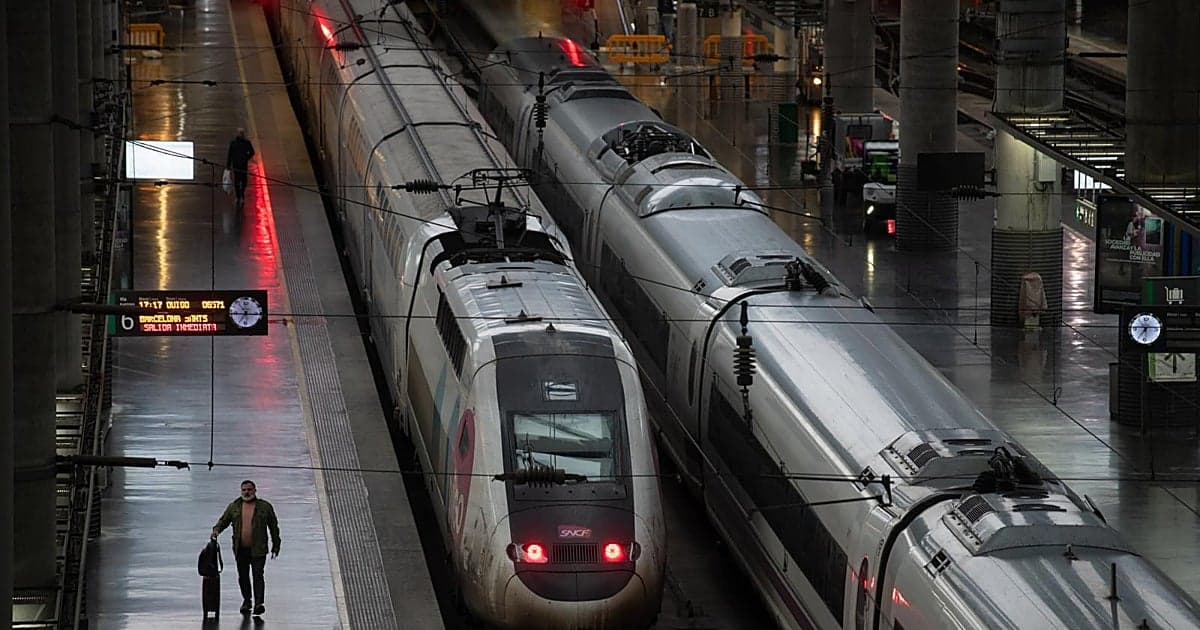
Spain's high-speed network, the second most extensive in the world with 4,000 kilometres of track, relies on three supervision systems: ERTMS, LZB and ASFA. These technologies monitor speed, train position and track conditions through balises, sensors and track circuits, and can automatically trigger emergency braking if the permitted speed is exceeded or a stop signal is ignored. A train at 300 km/h may need 2 to 3 kilometres to come to a complete stop.
In 35 seconds
- ERTMS, LZB and ASFA control speed, position and track conditions on Spanish high-speed rail
- The systems receive data from balises, sensors and track circuits and send it to Adif control centres
- They can automatically brake the train if the maximum speed is exceeded or a stop signal is ignored
Read the full story at ABC
IASummary generated by artificial intelligence from a story by ABC. It may contain errors: the original source prevails.



Comments
Be respectful. Comments reported by several people are hidden until a moderator reviews them.
You do not need an account to read, only to comment. Sign in with a code sent to your email or with your Google account. We only show the name you choose, never your email.