Diamond nuclear battery using carbon-14: up to 5,700 years of power for very specific uses
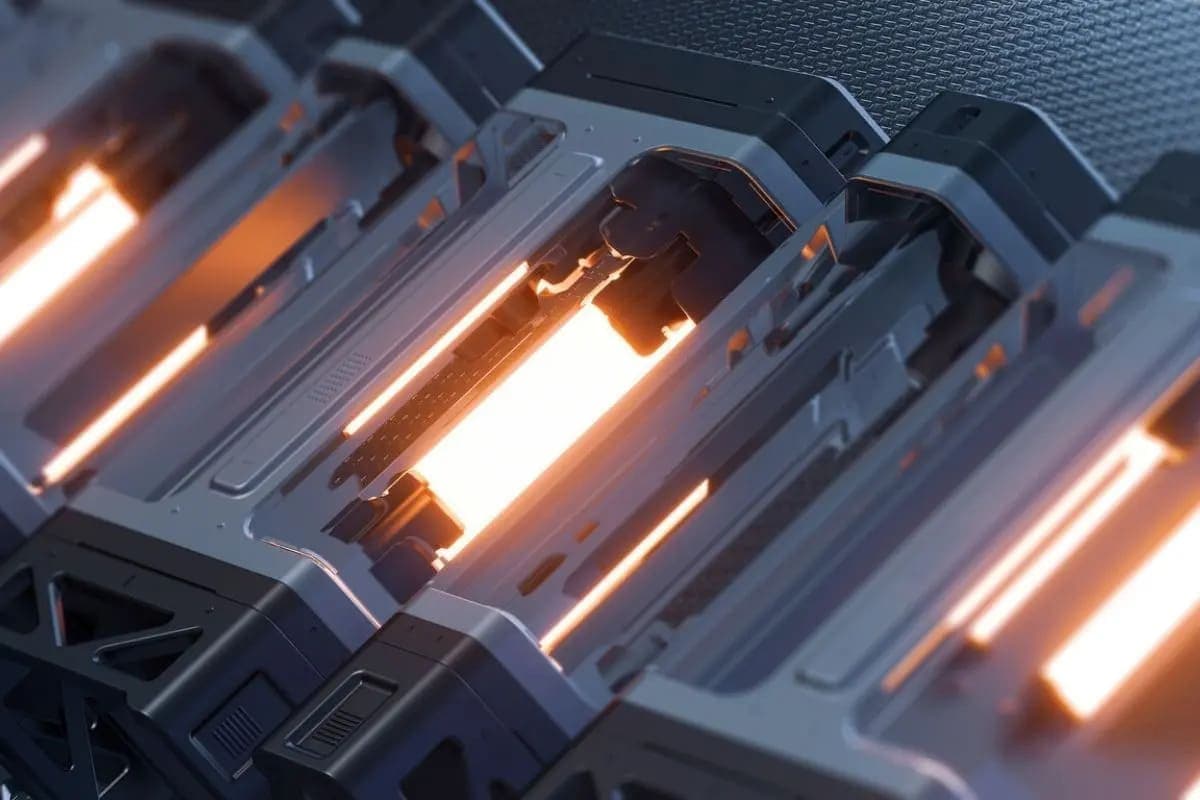
A team at the University of Bristol is developing a battery that uses carbon-14, a radioactive isotope used in dating, encapsulated in a synthetic diamond that acts as both shield and semiconductor. Decay releases electrons that generate a continuous current in the microwatt range; the device would retain half its power after 5,700 years. It will not replace lithium batteries in phones or cars, but targets medical implants, space exploration and remote sensors. Carbon-14 can be recovered from graphite of decommissioned nuclear reactors. The technology is at prototype stage.
In 40 seconds
- Carbon-14 encapsulated in synthetic diamond generates continuous, safe microwatt-level electricity, according to the Bristol team.
- The battery would retain half its power after 5,700 years, but is not intended for phones, cars or homes.
- Potential applications include medical implants, space probes and sensors in hard-to-maintain locations.
Read the full story at Futura, le média qui explore le monde
IASummary generated by artificial intelligence from a story by Futura, le média qui explore le monde. It may contain errors: the original source prevails.




Comments
Be respectful. Comments reported by several people are hidden until a moderator reviews them.
You do not need an account to read, only to comment. Sign in with a code sent to your email or with your Google account. We only show the name you choose, never your email.